
There’s something magical about setting out on an all-day hike. The crisp morning air, the sound of crunching leaves beneath your boots, and the satisfaction of reaching that scenic overlook hours later all make the experience unforgettable. But if it’s your first time planning a full-day trek, it can also feel overwhelming. How much food should you bring? What kind of gear do you need? And most importantly—how do you prepare so you can enjoy the hike rather than struggle through it?
This guide will walk you through everything you need to know for your first all-day hike, from preparation and gear to the type of boots that will carry you comfortably from trailhead to trail’s end.
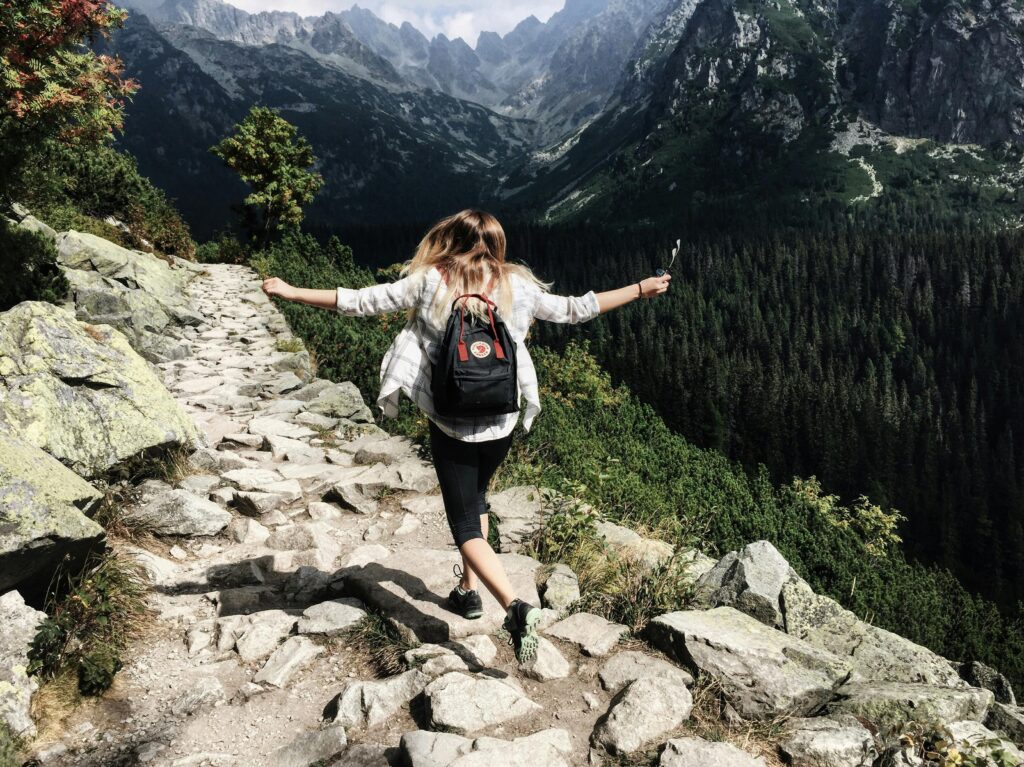
Plan Your Route and Know the Terrain
Before you lace up your boots, spend some time researching your hike. Pick a trail that’s manageable for your fitness level, and don’t be afraid to start with something easier than you think you can handle. Hiking eight miles on flat ground is very different from hiking five miles with steep elevation gains.
Trail websites and apps like AllTrails or Gaia GPS can give you detailed information about distance, elevation gain, terrain type, and user reviews. Check if the hike is a loop or an out-and-back, whether there are water sources along the way, and if you’ll need permits. Knowing these details ahead of time ensures you won’t be caught off guard halfway through.
Pack the Essentials
On an all-day hike, you’ll want to pack smart but not overload your bag. A comfortable daypack in the 20–30 liter range is usually perfect. Make sure you include the “Ten Essentials” for safety and comfort:
- Plenty of water (and possibly a filter or purifier if you’ll refill on the trail)
- High-energy snacks and lunch
- Navigation tools (map, compass, GPS app)
- Sun protection (hat, sunglasses, sunscreen)
- First aid kit
- Extra layers for warmth or rain protection
- Headlamp or flashlight with spare batteries
- Emergency shelter (lightweight tarp or space blanket)
- Multi-tool or knife
- Fire starter (matches, lighter, or fire steel)
Having these items gives you peace of mind and ensures you’re prepared even if things don’t go according to plan.
Dress in Layers
Weather can change quickly in the mountains or woods, so layering is key. Start with a moisture-wicking base layer to keep sweat off your skin, add an insulating layer like a fleece for warmth, and top it off with a waterproof, breathable shell if conditions look questionable. Cotton is best avoided since it stays wet and can chill you quickly.
Hiking Boots: Your Most Important Gear
If there’s one piece of gear that will make or break your first all-day hike, it’s your footwear. Ill-fitting or poorly made boots can lead to blisters, sore feet, or even cut your hike short. A good pair of hiking boots should provide comfort, support, and durability on varied terrain.
When shopping for hiking boots, here are a few things to look for:
- Fit and Comfort: Your toes should have room to wiggle, and your heel should stay in place without slipping. Always try boots on with the socks you plan to hike in.
- Traction: Look for aggressive lugs and sticky rubber soles that grip well on wet, rocky, or uneven ground.
- Support: Ankle support is important for longer hikes, especially with uneven terrain or heavier packs.
- Water Resistance: Waterproof boots are essential if you’re hiking in wet conditions, though some hikers prefer non-waterproof boots for hot, dry climates since they’re more breathable.
- Weight: Lightweight boots or trail shoes are great for speed and comfort, but heavier boots tend to be sturdier and more protective.
Merrell Moab 3: A Beginner-Friendly Hiking Boot
One boot that has stood the test of time and is especially popular among both new and experienced hikers is the Merrell Moab 3. Known as “Mother of All Boots,” the Moab series has been a go-to for over a decade, and the latest version continues that tradition.
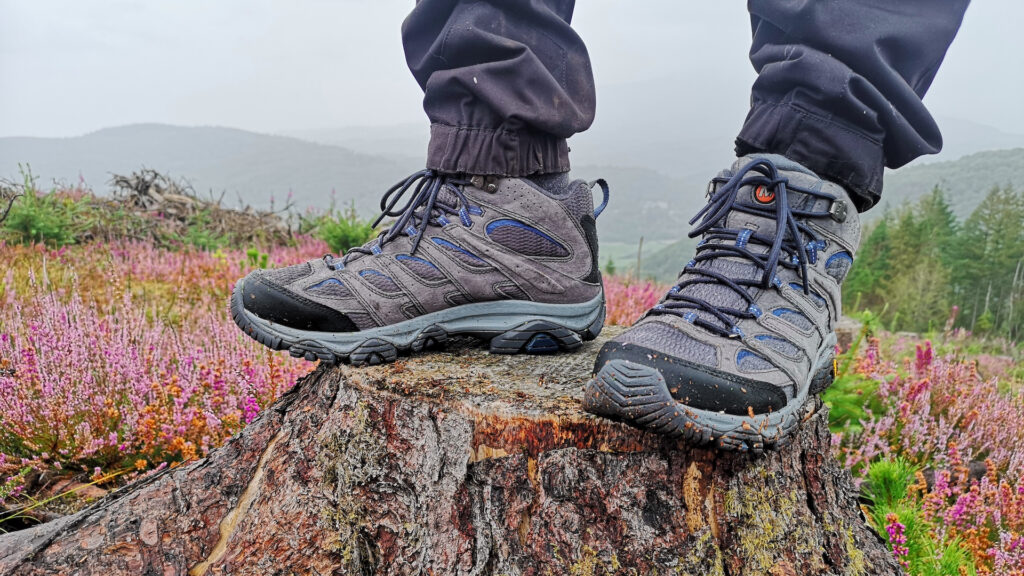
The Merrell Moab 3 offers a great balance between comfort and durability, making it ideal for your first all-day hike. It has a supportive midsole that cushions each step, a Vibram outsole that provides excellent traction on a variety of surfaces, and it comes in both waterproof and ventilated versions depending on your hiking conditions. What makes it especially appealing to beginners is that it feels broken-in right out of the box, unlike some boots that require weeks of wear before becoming comfortable.
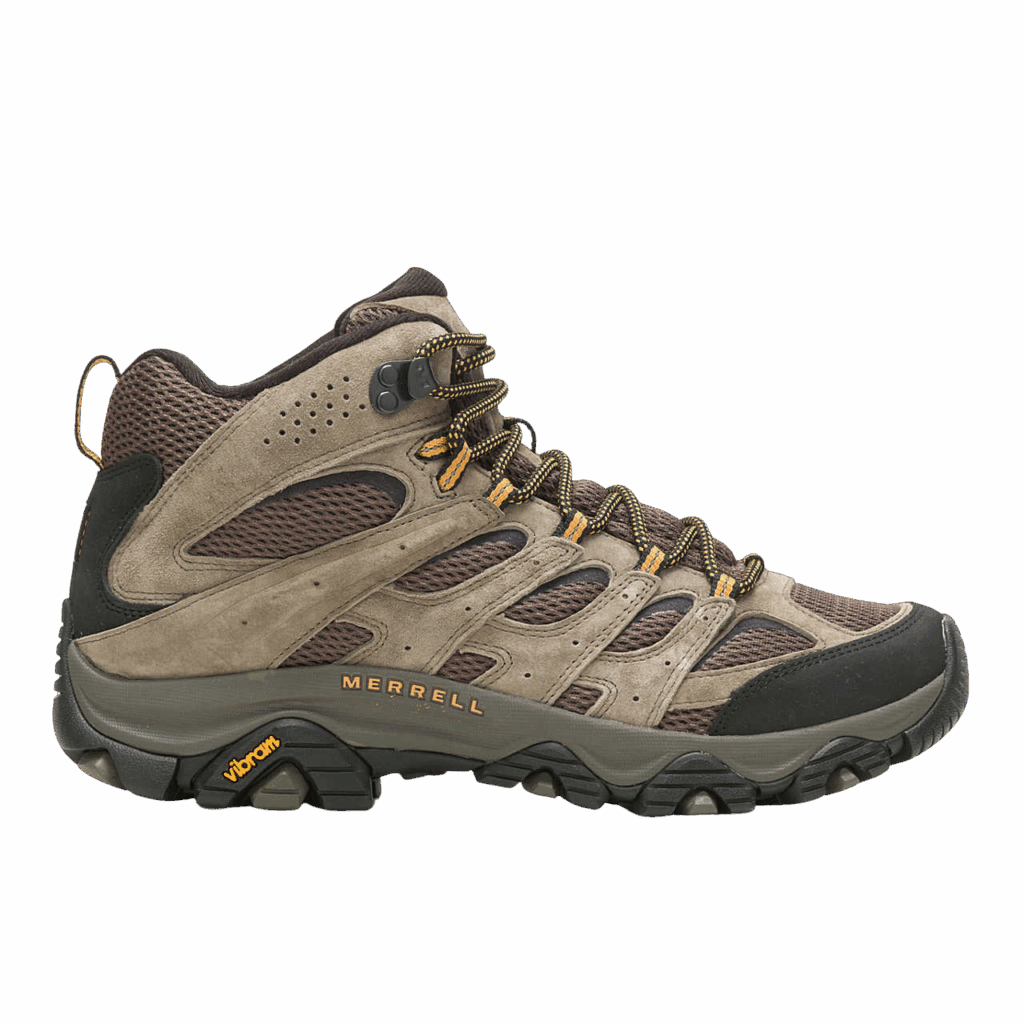
If you’re worried about spending the whole hike thinking about your feet, the Moab 3 is an excellent choice to keep you focused on the trail and the views instead.
Pace Yourself and Take Breaks
On your first all-day hike, it’s easy to burn too much energy early on. Start at a pace that feels slower than you think you should go. Take regular breaks to hydrate, eat snacks, and enjoy the scenery. Think of it less like a race and more like a journey—it’s about the experience, not the finish time.
Be Prepared for the Unexpected
Even the best-laid hiking plans can change. A sudden storm might roll in, a trail might take longer than expected, or you could miss a turn. Always tell someone your hiking plan, carry a fully charged phone (though service might be limited), and trust your instincts. If the trail feels unsafe or your body tells you to turn back, listen.
Final Thoughts
Going on your first all-day hike is an adventure you’ll never forget. With the right preparation, the right gear, and the right mindset, you’ll set yourself up for success. Plan your route, pack the essentials, dress in layers, and invest in good boots like the Merrell Moab 3 that will keep your feet happy from start to finish.
The goal isn’t just to conquer the miles—it’s to enjoy the journey. Once you’ve experienced the satisfaction of finishing your first full-day hike, you’ll be hooked and ready to plan the next one.
Leave a Reply