
Choosing the right learning materials for preschool and kindergarten sets the foundation for a child’s educational journey. At this stage, kids are developing essential cognitive, motor, and social skills, and the right tools can make learning engaging and effective. Educational toys, books, and interactive games stimulate curiosity and encourage children to explore new concepts on their own. When learning is fun, children are more likely to develop a lifelong love for reading and problem-solving.
Early learning materials also help children build confidence. By mastering basic skills like letters, numbers, shapes, and colors, young learners gain a sense of achievement. This early success can motivate them to tackle more complex subjects as they progress in school. Materials that combine play with learning, such as puzzles or activity books, allow children to learn at their own pace while keeping their attention focused. Parents and teachers can reinforce lessons through consistent use of these tools, creating a supportive and enriching environment for growth.
Top Books for Preschool and Kindergarten Learning
Books are a cornerstone of early childhood education. Picture books with bright illustrations and simple text introduce vocabulary and concepts in a way that children can easily understand. Alphabet and number books are especially helpful, as they provide a structured way for kids to learn the basics of language and math. Books that include interactive elements like flaps, textures, or simple activities keep children engaged while improving fine motor skills.
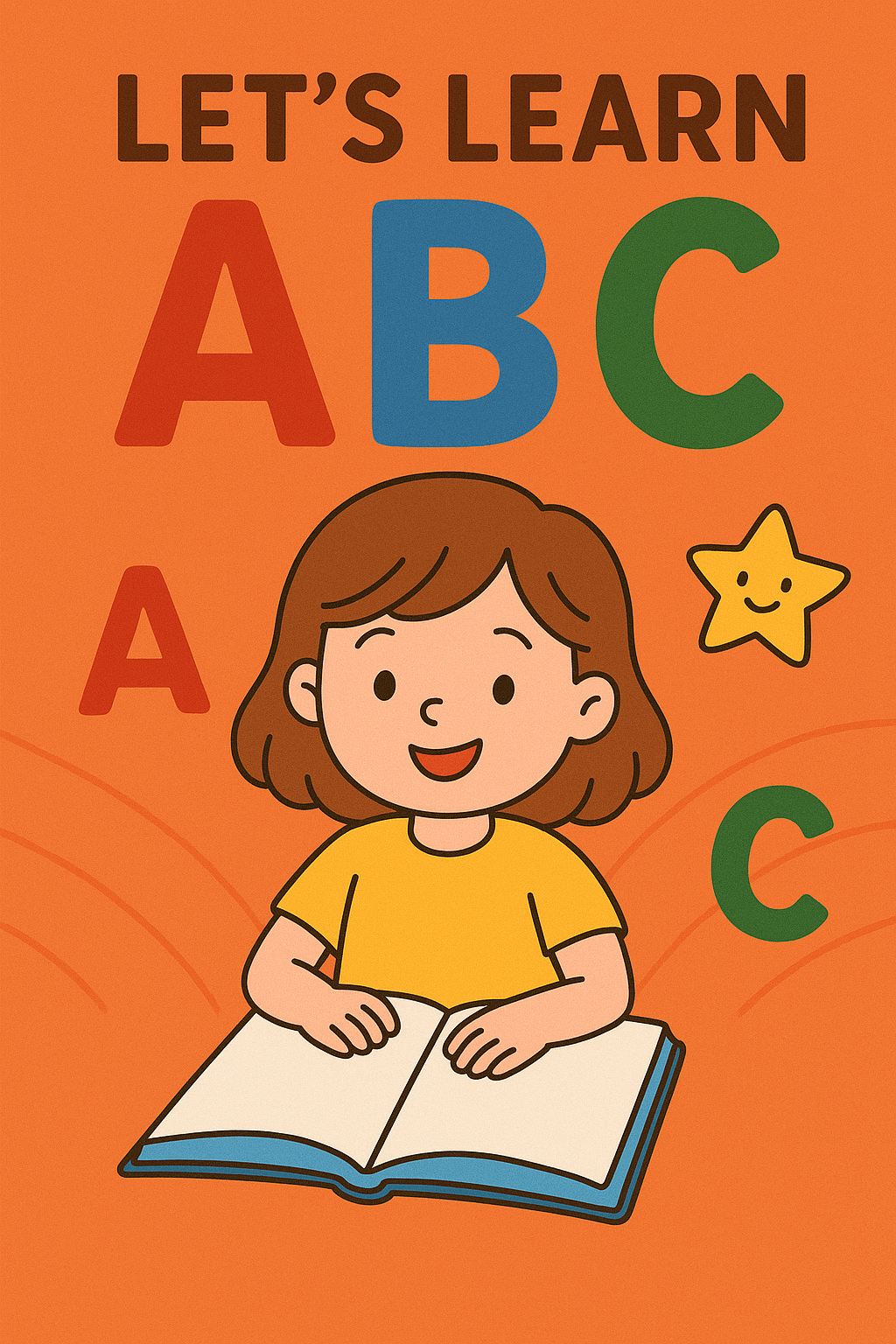
Let's Learn ABCs Children's Book
$19.99
I make a small commission from this link, at no cost to you.
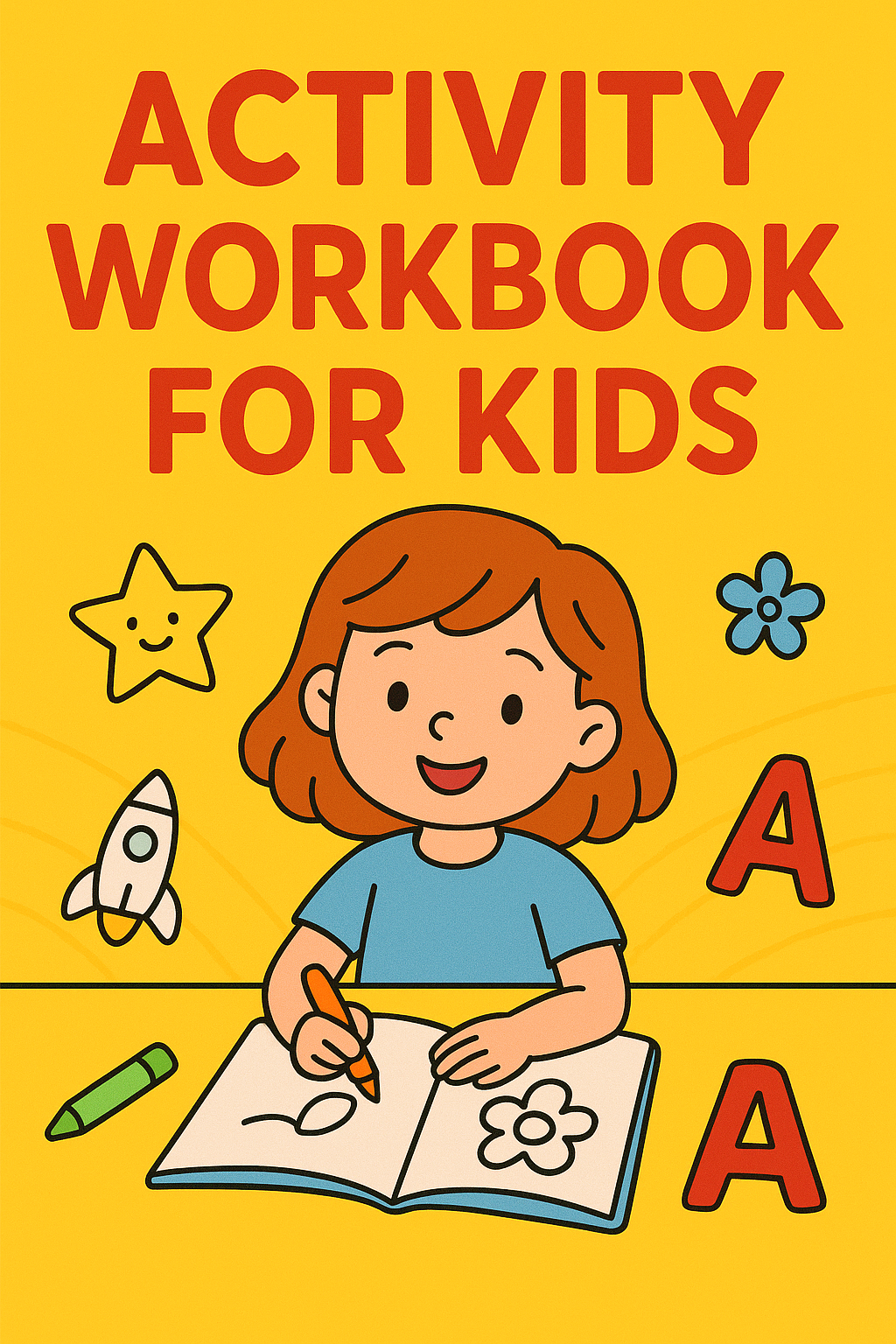
Activity Workbook For Kids
$29.99
I make a small commission from this link, at no cost to you.
Storybooks with repetitive patterns or rhymes also help with memory and language development. As children hear and repeat words, they start recognizing letter sounds and forming basic words on their own. Additionally, books that cover topics such as emotions, sharing, and friendship help children develop social and emotional skills. Choosing a mix of educational and story-focused books ensures a well-rounded approach that promotes both cognitive and emotional growth.
Interactive Learning Tools and Toys
Hands-on learning tools are crucial for preschool and kindergarten-aged children. Manipulatives such as counting blocks, shape sorters, and letter magnets allow children to explore abstract concepts in a tangible way. These tools not only teach numbers, letters, and shapes but also improve hand-eye coordination and fine motor skills. Educational toys that combine problem-solving with play, such as puzzles or matching games, encourage critical thinking and attention to detail.
Digital learning tools can also be beneficial when used in moderation. Interactive apps and educational videos designed for young children often include games, songs, and quizzes that make learning fun. The key is to choose age-appropriate content that reinforces foundational skills rather than overwhelming a child with too much screen time. When combined with physical activities and traditional learning materials, these interactive tools create a well-balanced and stimulating learning environment.
Activity Workbooks and Practice Sheets
Activity workbooks are an excellent resource for reinforcing classroom lessons or supplementing home learning. These workbooks often include coloring pages, tracing exercises, letter and number practice, and simple puzzles. Completing these activities helps children develop hand-eye coordination, fine motor skills, and early literacy and numeracy skills. Workbooks also encourage independent learning, as children can complete exercises on their own or with minimal guidance.
Activity Workbook For Kids
$29.99
I make a small commission from this link, at no cost to you.
Consistency is key with activity workbooks. Regular practice helps reinforce concepts and improves retention. Many workbooks are structured to progress from simple to more challenging activities, allowing children to build confidence as they master each skill. Choosing workbooks that are colorful, interactive, and fun ensures that children remain motivated and excited to continue learning. With the right mix of structured exercises and creative activities, workbooks become an invaluable tool for preschool and kindergarten education.
Conclusion: Building a Strong Educational Foundation
Selecting the best learning materials for preschool and kindergarten children can have a lasting impact on their educational journey. Books, interactive toys, and activity workbooks provide the perfect blend of fun and learning, helping children develop essential skills in reading, math, problem-solving, and social-emotional understanding. By choosing materials that are age-appropriate and engaging, parents and educators can foster curiosity, creativity, and a love of learning.
The early years are a critical period for cognitive and emotional development. When children are supported with the right materials, they gain confidence, learn independently, and develop foundational skills that will benefit them throughout their schooling. Investing time and thought into selecting the best resources ensures that learning becomes a positive and enjoyable experience for every child.
Leave a Reply